Palo Alto highlight
Stanford University adjacency
Leland Stanford Junior University opened on October 1, 1891, on an 8,180-acre campus built on the family's Palo Alto farm, with 555 students enrolled in the first year.
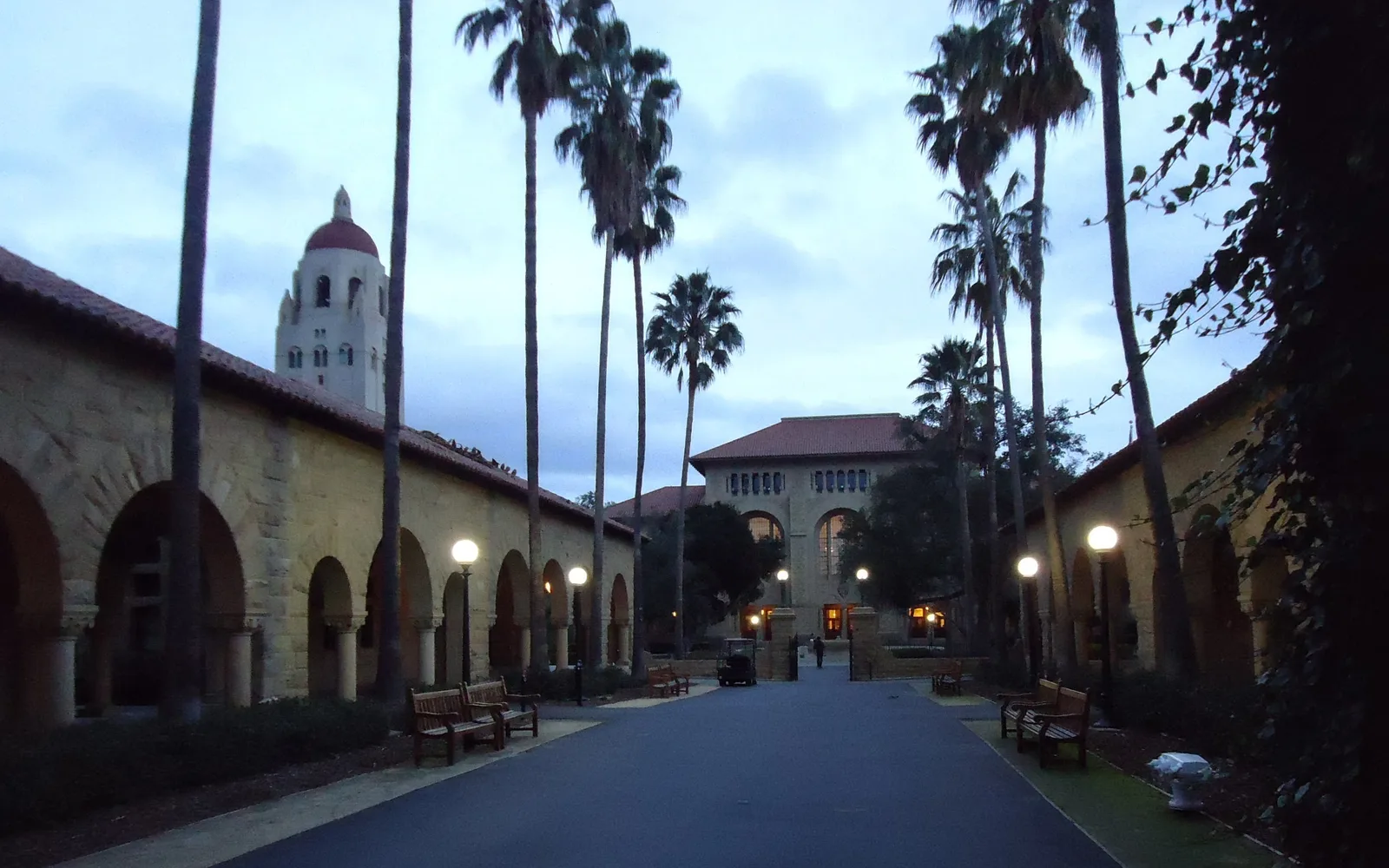
Leland Stanford, a former California governor and U.S. senator who helped build the first transcontinental railroad, and his wife Jane Lathrop Stanford created the university as a memorial to their only child, Leland Jr., who died of typhoid fever at age 15. They executed the Founding Grant on November 11, 1885, committing their Palo Alto Stock Farm and approximately $20 million in endowment to establish an institution that would be coeducational, nondenominational, and practical from the start.
The campus opened on October 1, 1891, with 555 students. Today it enrolls roughly 17,000 students across all programs and operates the largest contiguous urban campus in the United States. Stanford's provost and dean of engineering in the 1950s, Frederick Terman, actively recruited semiconductor companies to the region, understanding that proximity to Stanford's talent and research would benefit both the university and the surrounding community.
Families in Palo Alto often include Stanford faculty, staff, and graduates. Planning for education expenses and protecting income during the years when children are in school or approaching college age is a practical form of the commitment Stanford's founders expressed. Term coverage sized to your household's real obligations helps ensure that education planning doesn't depend on chance.